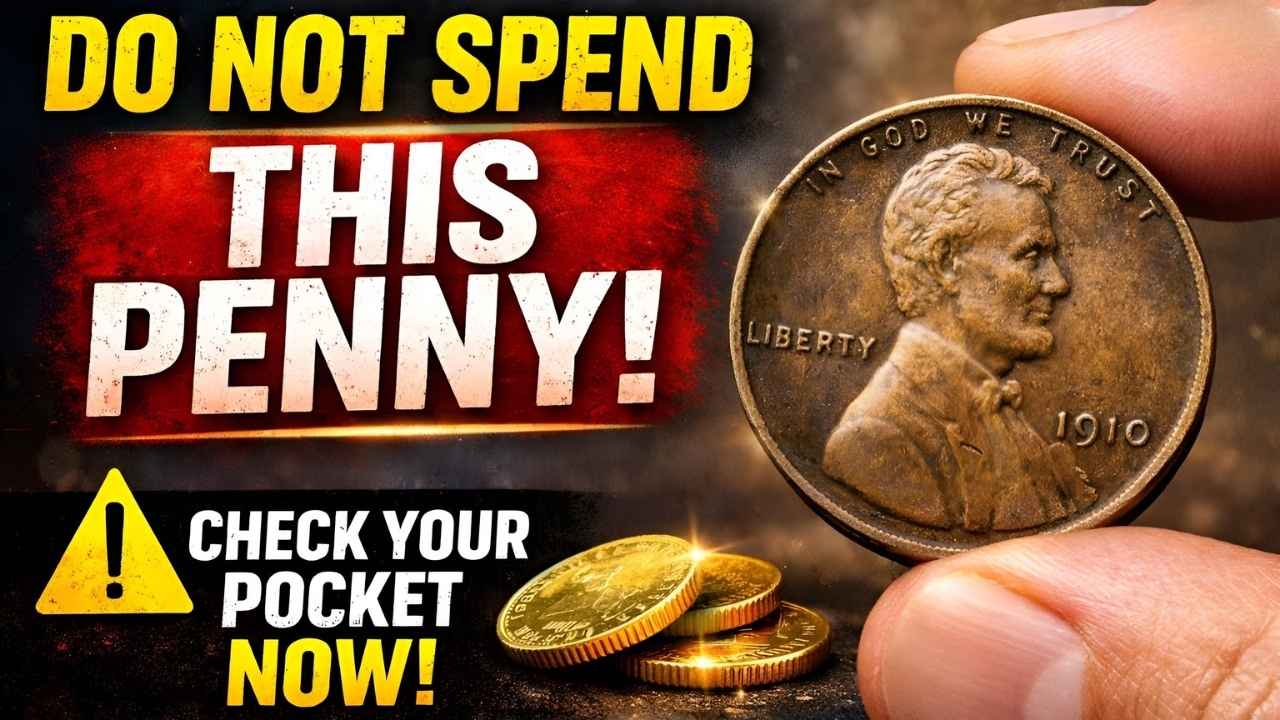
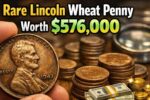
Rare Lincoln Wheat Penny Discontinued After 41 Years: The Lincoln Wheat Penny is more than just a coin. It is a piece of American history, a symbol of resilience, and a collector’s dream. First minted in 1909 to commemorate the centennial of Abraham Lincoln’s birth, the Wheat Penny remained in circulation until 1958. For 41 years, it carried the image of Lincoln on the obverse and two wheat stalks on the reverse, representing prosperity and growth. Today, these coins are cherished not only for their historical significance but also for their rarity. Some editions are especially valuable, and knowing which ones to save can make all the difference.
The Birth of the Lincoln Wheat Penny
In 1909, the United States Mint introduced the Lincoln Wheat Penny, designed by Victor David Brenner. This was the first American coin to feature a real person rather than a symbolic figure. Lincoln’s portrait was chosen to honor his legacy as one of the nation’s greatest leaders. The reverse design featured two wheat stalks, symbolizing America’s agricultural strength. The coin quickly became popular among the public and collectors alike, setting a new standard for American coinage.
Why the Wheat Penny Was Discontinued
By the late 1950s, the design of the Wheat Penny was considered outdated. The Mint decided to replace the reverse design with the Lincoln Memorial, which debuted in 1959. This change marked the end of the Wheat Penny era after 41 years of production. The discontinuation made the existing coins more desirable to collectors, especially those minted in limited quantities or with unique errors. The transition also reflected America’s evolving identity, moving from agricultural symbolism to a more modern representation of national pride.
Six Wheat Pennies Worth Saving
While all Wheat Pennies hold historical value, certain editions stand out for their rarity and potential worth. Here are six that collectors should prioritize.
1909 S VDB
The 1909 S VDB is the holy grail of Wheat Pennies. Minted in San Francisco, it features the designer’s initials VDB on the reverse. Only 484,000 were produced, making it one of the rarest and most sought-after coins in the series. Collectors prize it not only for its scarcity but also for its role in numismatic history. Owning one is considered a badge of honor among coin enthusiasts.
1914 D
The 1914 D Wheat Penny is another rarity. With just over one million minted in Denver, it is scarce in high grades. Collectors prize this coin for its limited availability and historical significance. Finding one in excellent condition is a challenge, which adds to its allure. It remains one of the most desirable coins for serious collectors.
1922 No D
In 1922, all Wheat Pennies were supposed to be minted in Denver. However, a die error resulted in some coins being struck without the D mintmark. These No D pennies are extremely rare and valuable. They are a fascinating example of how minting errors can create treasures that collectors chase for decades. The absence of the mintmark makes them instantly recognizable and highly prized.
1931 S
The 1931 S Wheat Penny had a low mintage of just 866,000. Despite being produced during the Great Depression, it remains one of the most collectible coins due to its scarcity. Its historical context adds to its appeal, as it represents a time when the nation was struggling economically yet still producing coins that would later become valuable artifacts.

1943 Steel Penny
During World War II, copper was needed for ammunition, so the Mint produced pennies from steel coated with zinc. These 1943 Steel Pennies are unique in appearance and highly collectible. A few rare versions were mistakenly struck in copper, making them even more valuable. The steel penny is a reminder of how global events can shape even the smallest aspects of daily life, including the coins in our pockets.
1955 Double Die
The 1955 Double Die Wheat Penny is famous for its striking error. The doubling of the date and lettering on the obverse makes it one of the most recognizable and desirable error coins in American history. Collectors love it for its distinct look and rarity. It is a coin that tells a story of human error turned into numismatic treasure.
Collecting Wheat Pennies Today
Collectors continue to seek out Wheat Pennies for their historical and monetary value. Coin shows, auctions, and online marketplaces are popular venues for finding these treasures. Condition plays a major role in determining value, with uncirculated coins commanding the highest prices. Even common Wheat Pennies can be worth more than face value, especially if they are well-preserved. For beginners, starting with affordable editions can be a gateway into the fascinating world of coin collecting.
The Legacy of the Wheat Penny
The Lincoln Wheat Penny represents more than just currency. It symbolizes a period of American history marked by growth, resilience, and change. From its introduction in 1909 to its discontinuation in 1958, the coin witnessed world wars, economic upheavals, and cultural shifts. Today, it serves as a tangible link to the past and a reminder of Lincoln’s enduring legacy. Collectors see it not only as a financial investment but also as a way to preserve history.

Conclusion
The Lincoln Wheat Penny may no longer be in circulation, but its impact endures. For collectors, saving the rare editions is both a passion and an investment. The six highlighted coins 1909 S VDB, 1914 D, 1922 No D, 1931 S, 1943 Steel Penny, and 1955 Double Die stand out as treasures worth preserving. As time passes, these coins will only grow rarer, making them invaluable pieces of American history. Whether you are a seasoned collector or a curious beginner, holding onto these Wheat Pennies ensures that their legacy will never vanish. They are more than coins; they are stories etched in metal, waiting to be passed down through generations.
