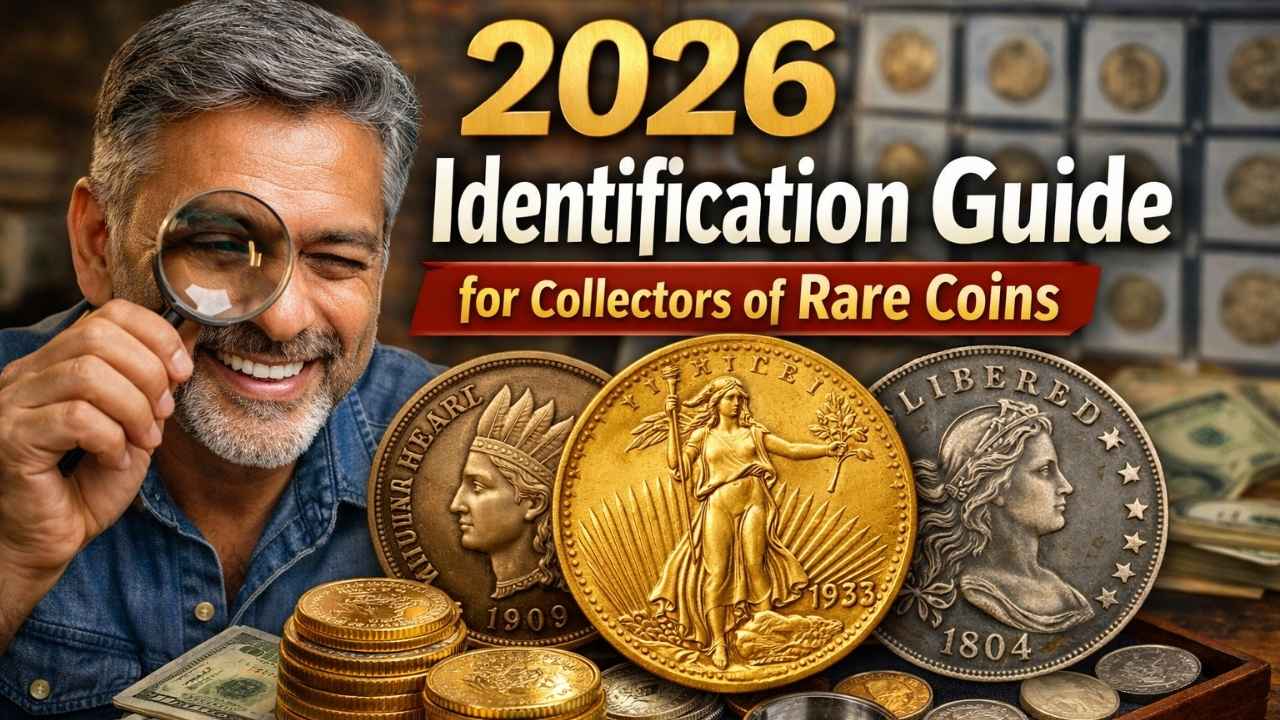
2026 Identification Guide: Coin collecting has always been a fascinating pursuit, blending history, artistry, and investment potential. As we move into 2026, collectors are increasingly focused on identifying rare coins that hold exceptional value. This guide provides a comprehensive overview of how to recognize, evaluate, and appreciate rare coins, ensuring that enthusiasts can make informed decisions and potentially uncover treasures hidden in plain sight.
Understanding Rarity
Rarity is the cornerstone of coin value. A coin becomes rare due to limited mintage, historical circumstances, or unique minting errors. Collectors must understand that rarity is not just about age but about scarcity and demand. A coin minted in large numbers may be old but not rare, while a modern coin with a minting anomaly can be extremely valuable.

Key Factors in Identification
Several factors help collectors identify rare coins:
- Mint Marks: Indicate where a coin was produced. Missing or unusual marks can signal rarity.
- Mintage Numbers: Coins with low production runs are often more valuable.
- Errors and Varieties: Doubled dies, off-center strikes, and missing elements create unique coins.
- Condition: Grading plays a critical role. A coin in pristine condition can be worth exponentially more than a worn example.
- Historical Context: Coins tied to significant events or transitions in minting practices often carry added value.
Rare American Coins to Watch in 2026
American coinage offers numerous examples of rare and valuable pieces:

- 1909-S VDB Lincoln Cent: Famous for its low mintage and design controversy.
- 1933 Double Eagle: A legendary gold coin with a fascinating history of recall and rarity.
- 1968 No-S Proof Roosevelt Dime: A modern rarity that continues to command high prices.
- 1982 No-Mintmark Dime: A production error that remains popular among collectors.
- 2000 Sacagawea Dollar with Cheerios Reverse: A promotional coin with a unique design.
International Rarities
Collectors should also look beyond American coins:
- 1935 Canadian Silver Dollar: Celebrated for its design and limited production.
- 1911 George V Sovereign: A British gold coin with extremely low mintage.
- Chinese Panda Coins: Known for annual design changes and limited runs, making them highly collectible.
- Ancient Roman Denarii: Historical coins that connect collectors to the classical world.
The Role of Coin Grading
Professional grading services are essential for identifying and valuing rare coins. Grading evaluates a coin’s condition, authenticity, and overall quality. A difference of one grade level can mean thousands of dollars in value. Collectors should familiarize themselves with grading scales and consider professional certification for valuable finds.

Auction Trends in 2026
Auction houses continue to be the stage for dramatic bidding wars. Rare coins often exceed expectations, with single pieces selling for millions. The demand for high-grade examples remains strong, and modern rarities are increasingly recognized alongside classic treasures. Collectors should monitor auction results to understand market trends and potential investment opportunities.
Investment Potential
Rare coins are more than collectibles; they are tangible assets. Their value often appreciates over time, especially for coins with proven rarity and historical significance. In 2026, coins tied to minting errors, low production runs, and unique historical contexts are expected to remain strong investments. Collectors should balance passion with strategy, recognizing that rare coins can serve both as cherished artifacts and financial assets.

How to Identify Rare Coins in Your Collection
Practical steps for collectors include:
- Inspect coins for unusual features such as missing mint marks or doubling.
- Research mintage figures to identify low-production years.
- Compare coins to reference guides and catalogs.
- Seek professional grading for coins that appear pristine or unusual.
- Stay informed about auction results and collector trends.
Stories of Discovery
Collectors often stumble upon rare coins in inherited collections, pocket change, or overlooked storage. These discoveries highlight the importance of careful examination and knowledge. A single coin can transform a modest collection into a valuable portfolio, and stories of unexpected finds continue to inspire new enthusiasts.

The Future of Coin Collecting
As technology advances, collectors have more tools than ever to identify and evaluate coins. Digital databases, online auctions, and grading services make information accessible worldwide. In 2026, coin collecting remains a vibrant hobby and investment strategy, with rare coins continuing to capture imagination and command extraordinary prices.
Conclusion
Rare coins are treasures that combine history, artistry, and financial value. For collectors in 2026, understanding how to identify these coins is essential. From mint marks and errors to auction trends and grading, knowledge is the key to unlocking hidden value. Whether pursuing coins for passion or profit, collectors who master identification will find themselves at the forefront of numismatics, ready to uncover the next great rarity.